

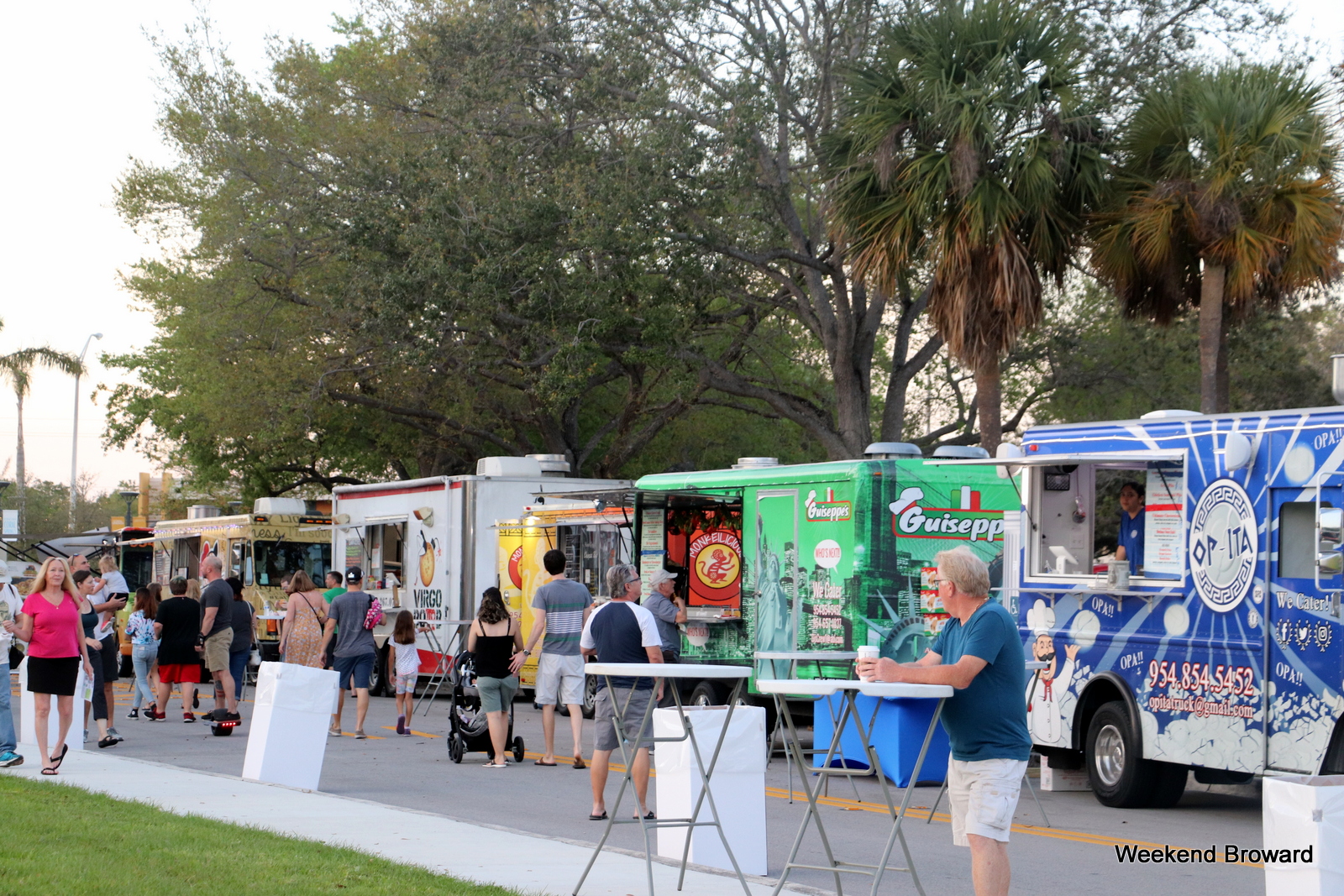
Think about the last big festival you heard of. The one with the headliners, the sprawling grounds, the… well, the overwhelming logistics. Now, picture something different. A pop-up dinner in a neighbor’s backyard featuring a chef from the new restaurant down the street. A tiny music series in the corner of a local bookstore. A block-long art walk where every studio is someone’s living room.
This isn’t a niche trend anymore—it’s a quiet revolution. We’re talking about micro-festivals and hyper-local events. And honestly, they’re reshaping communities and local economies in ways the mega-festivals simply can’t. Let’s dive in.
Why Small is the New Big: The Cultural Pull
It’s about connection, you know? After years of digital saturation and, well, global uncertainty, people are craving authenticity and a sense of place. A micro-festival isn’t just an event; it’s a shared secret, a story you become part of.
The Intimacy Factor
At a hyper-local event, there’s no barrier—literal or figurative—between the creator and the audience. You can chat with the musician after their set, ask the brewer about their hops, or tell the artist how their piece made you feel. That direct feedback loop is incredibly powerful. It turns passive attendees into active community participants.
Celebrating the Hyper-Local Identity
These events act like a cultural spotlight, shining it on what makes a specific neighborhood or town unique. It’s not a generic “food and wine fest”; it’s a “Taco Trail” highlighting the three incredible, family-owned taquerias within four blocks of each other. This specificity fosters immense local pride and strengthens community bonds. It’s placemaking in its purest form.
The Economic Engine: More Than Just Ticket Sales
Here’s the deal: the business impact of these small-scale gatherings is wildly disproportionate to their size. They create a ripple effect that benefits the entire local ecosystem.
| Beneficiary | Direct Impact | Indirect / Ripple Effect |
| Local Vendors & Makers | Direct sales, zero middlemen. | Brand discovery, loyal customer base, wholesale opportunities. |
| Neighborhood Businesses | Increased foot traffic on event day. | New customers who return later, collaborative marketing. |
| Resident Organizers | Ticket/entry revenue, sponsorship. | Skills development, community standing, portfolio building. |
| The Community “Brand” | – | Becomes a destination, attracts residents/talent, increases property appeal. |
Think of it as a micro-economy booster shot. Money circulates within a tight radius, often going directly into the pockets of your neighbors. That’s a powerful model for sustainable local economic development.
The Logistics: Agility Over Scale
From an operational standpoint, the appeal is massive. Lower overhead, simpler permits (sometimes none!), minimal infrastructure, and a reliance on word-of-mouth and Instagram-able moments over massive ad budgets. This agility allows for experimentation—a test kitchen for cultural ideas. If a concept doesn’t fly, it’s a learning experience, not a bankrupting failure.
That said, the challenges are real. It’s a labor of love, often run on volunteer sweat and sheer passion. Burnout is a risk. And scaling “authenticity” is a paradox—the very thing that makes them special can be diluted if they grow too fast.
Key Ingredients for a Successful Micro-Event
So what makes these things tick? It’s not just about being small.
- A Razor-Sharp Focus: Don’t try to be everything. Be the best at one thing. “Sourdough and Stories” or “Vinyl & Vintage.”
- Deep Community Embedding: Partner with the local cafe, the bookstore, the park conservancy. It builds a network of support and cross-promotion.
- Embrace Imperfection: The charm is in the handmade signs, the slightly uneven schedule, the feeling that this is built by humans, for humans. Don’t over-polish it.
- Prioritize Experience Over Spectacle: Curate moments for connection. A communal table. A workshop where people make something. A guided walk. Give people a memory, not just a photo op.
The Future is Local (and Lively)
Looking ahead, the rise of micro-festivals signals a broader shift. It’s a move away from passive, mass consumption and towards active, meaningful participation. We’re seeing a demand for community-based entertainment and neighborhood-focused experiences that anchor us in the real world.
For businesses, it’s a call to look sideways—at the street, the block, the neighborhood—not just upwards at national trends. For residents, it’s an invitation to co-create the culture of your own backyard. The cultural and economic map of our towns is being redrawn, not by big red markers, but by thousands of small, vibrant, interconnected dots.
The ultimate impact? It’s a reminder that the heart of a place often beats loudest in its smallest, most intimate gatherings. And that’s a powerful beat to build a future on.