

Remember the promise of the smart home? You’d walk in, say a command, and the lights would flick on. You’d tap your phone, and the thermostat would adjust. It was… fine. But honestly, it felt less like living in the future and more like becoming a remote control for your own house.
Well, that’s changing. And the change has a name: ambient computing. This isn’t about barking orders at a speaker or fumbling with apps. It’s about technology fading into the background—becoming ambient—and anticipating your needs before you even voice them. Your home is getting a brain, and it’s learning to think for itself.
What Exactly Is Ambient Computing? (No Jargon, Promise)
Let’s break it down simply. Ambient computing means the tech is everywhere, yet nowhere. It’s the shift from “I need to tell this device what to do” to “the environment itself understands what I need.” Think of it like the difference between a manual typewriter and the air you breathe. One is a tool you actively use; the other is a context-aware system that just supports you, seamlessly.
In your smart home, this looks like sensors, microphones, and AI working in concert. They pick up on patterns, context, and subtle cues. The goal? To create a home that feels less like a gadget collection and more like a thoughtful partner.
The Key Ingredients of an Ambient Home
So, what makes this magic happen? A few core things:
- Ubiquitous Sensors: These are the home’s senses. Motion, temperature, humidity, presence, even sound-level sensors. They’re the quiet observers gathering data.
- Low-Power, Always-On AI: This is the brain. Processors that can run machine learning models locally—on your devices—without constantly phoning home to the cloud. This means faster responses and, crucially, more privacy.
- Interoperability (The Holy Grail): Devices from different brands actually talking to each other. Thanks to new standards like Matter, your lights, locks, and sensors can finally work as a team, not rivals.
- Natural Interfaces: We’re moving beyond the wake word. Your presence is a command. Your routine is a trigger. A sigh of frustration at a dark room? Well, we’re not quite there yet, but you get the idea.
Ambient Computing in Action: Your Day, Uninterrupted
Here’s where it gets fun. Let’s paint a picture of a day with ambient computing woven into your home’s fabric.
You wake up. Not to a blaring alarm, but because your bedroom shades gradually let in the morning sun, synchronized with your sleep cycle. The thermostat knows you’re stirring and has already taken the chill off the bathroom floor. The coffee maker starts its brew—not because you scheduled it, but because it heard the motion sensor in the hallway.
You leave for work. The system knows. It secures the locks, adjusts the energy profile, and even pauses the robot vacuum mid-clean. No “Goodbye” command needed.
You return. The porch light glows softly as you approach. The door unlocks. Inside, the living room lights are at just the right level for a weary evening, and your favorite relaxing playlist is already whispering from the speakers. It just… felt right for the context.
The Privacy Paradox: Convenience vs. Creepy
Okay, let’s address the elephant in the room. A home that’s always listening, always sensing? It sounds, well, a bit dystopian if you think about it too hard. And you’d be right to be cautious.
The big shift in ambient intelligence, though, is local processing. Instead of every sound snippet being sent to a distant server, more analysis happens on the device itself. Your voice command might be processed on your kitchen hub. Your motion patterns stay in your home’s network. The system learns your habits without broadcasting your life. That’s the promise, anyway—and it’s a critical one for adoption.
Getting Started: Is Your Home Ready for Ambient?
You don’t need to rip everything out and start over. The move toward ambient computing is more of an evolution. Here’s a practical path:
| Focus Area | Ambient Upgrade | Why It Matters |
| Hub & Ecosystem | Choose a platform (Apple Home, Google Home, Amazon Alexa) investing in on-device AI and Matter support. | This is your foundation. Interoperability is key. |
| Sensing Layer | Add presence sensors (like mmWave radar) over simple motion sensors. They detect subtle movement, even breathing. | They distinguish “someone’s in the room” from “a pet walked by.” Far more intuitive. |
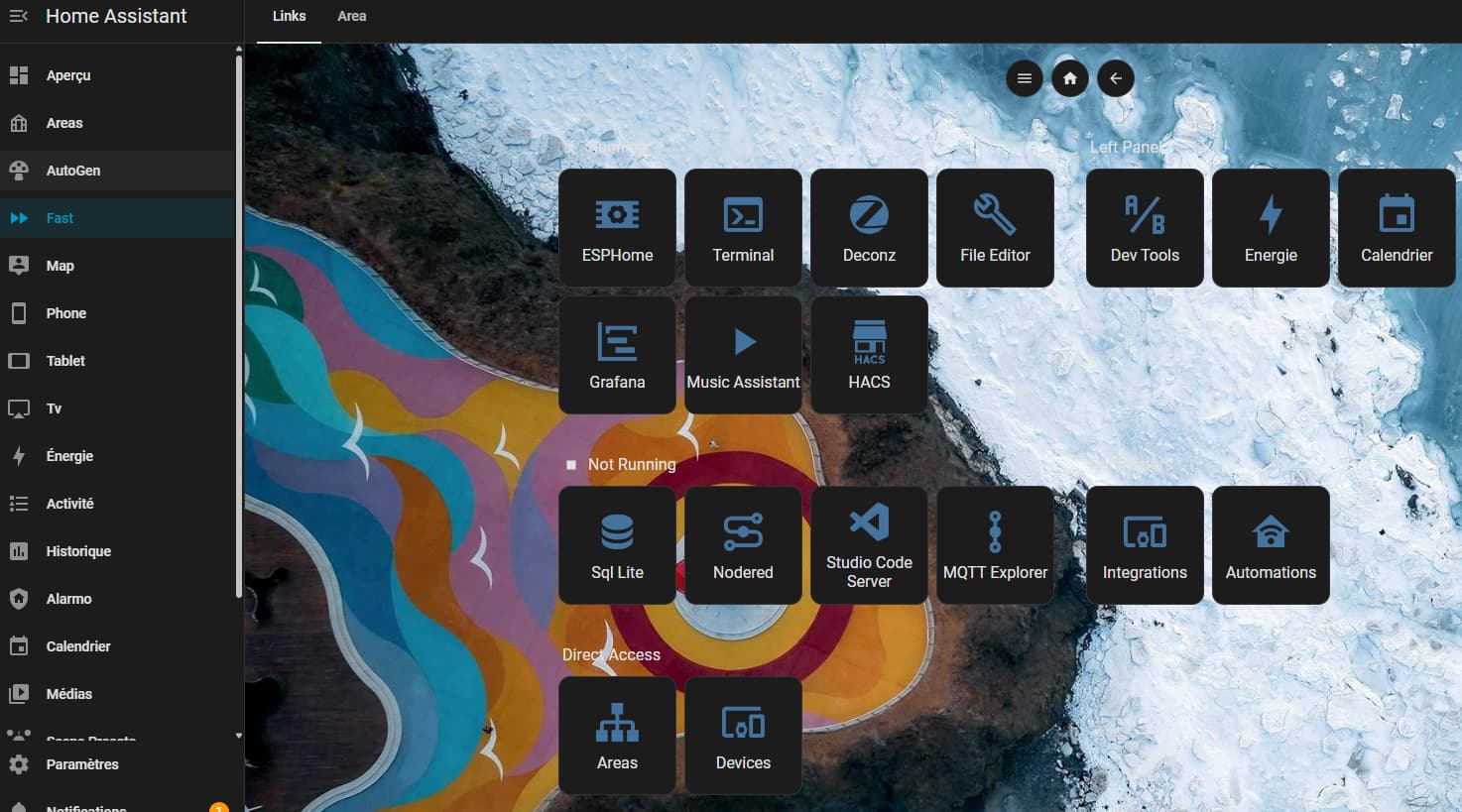
| Automation Brain | Use advanced platforms like Home Assistant or Apple’s HomeKit to create complex, conditional routines. | Moves you beyond “at 7 PM, turn on light” to “if it’s cloudy and someone is reading, turn on the lamp at 60%.” |
| Voice, Redefined | Look for devices with contextual voice awareness that don’t always need a wake word. | Makes interaction more like talking to a person in the room. |
The real trick is to think less about individual gadgets and more about the conversation between them. Start with a pain point. Is it fumbling for lights? Wasting energy? Build a small, intelligent system there first.
The Invisible Future
We’re on the cusp of a quiet revolution. The most profound technology, they say, is that which disappears. It weaves itself into the fabric of everyday life until it is indistinguishable from it. That’s ambient computing.
It’s not about more screens or louder assistants. It’s about a home that breathes with you. One that manages the mundane so you can focus on the meaningful. Sure, we’re not fully there yet—standards are still coalescing, and the privacy models are being tested. But the direction is clear.
The rise of ambient computing means our homes are slowly waking up. Not with a jolt, but with a gentle, perceptive awareness. The goal is no longer control. It’s harmony. And honestly, after years of being our home’s IT department, that sounds like a pretty nice change of pace.