

Think about the smartest pets you know. Maybe it’s a parrot holding a full conversation, a dog figuring out how to open the pantry door, or an octopus—yes, people keep them!—unscrewing a jar from the inside. These animals aren’t just following instincts; they’re thinking, learning, and honestly, they get bored.
That’s where cognitive enrichment comes in. It’s not just about physical toys. It’s about creating a dynamic environment that challenges their minds, satisfies their natural curiosity, and prevents that lethargic, “there’s nothing to do” behavior. Let’s dive into why this matters and how you can become your pet’s favorite puzzle master.
Why Brain Games Are More Than Just Fun
In the wild, animals spend most of their waking hours solving problems: finding food, navigating territory, outsmarting prey or predators. In our homes, that challenge is often gone. Meals come in a bowl. The territory is the same four walls. The result? Under-stimulation, which can lead to anxiety, depression, and even destructive behaviors like feather plucking, excessive barking, or tank redecorating (we’re looking at you, clever fish).
Cognitive enrichment bridges that gap. It provides mental exercise that can:
- Reduce stress and anxiety by giving them a positive focus.
- Strengthen your bond through interactive play.
- Slow cognitive decline in aging pets, keeping them sharp.
- Prevent boredom-related behaviors that drive owners crazy.
- Simply put, it makes their lives more interesting. And a mentally stimulated pet is a happier, more balanced companion.
Tailoring Games to Different Intelligent Species
Here’s the deal: one size does not fit all. A game for a border collie won’t work for an African grey parrot. You have to think about their natural history—what they evolved to do.
For Canine Einsteins (Dogs: Border Collies, Poodles, Shepherds, etc.)
Dogs are often motivated by food and prey-drive. Their games should tap into that.
- Puzzle Feeders: From simple Kongs stuffed with frozen goodies to multi-step puzzle boards with sliders and flaps. Start easy to build confidence.
- The “Muffin Tin” Game: Hide treats under tennis balls in a muffin tin. A classic for a reason.
- Name That Toy: Teach them the names of individual toys. It’s not just memory; it’s understanding symbolic representation. Seriously impressive.
- Hide-and-Seek with a Twist: Hide yourself, then quietly call them. Or hide a specific scented article. It engages their nose and their brain.
For Feathered Philosophers (Parrots: Greys, Cockatoos, Macaws)
Parrots are manipulative, literally. They use their feet and beaks as tools. Their games should involve physical manipulation and, often, social interaction.
- Foraging Boxes: Fill a box with shredded paper, cardboard pieces, and foot toys, then sprinkle in treats. They have to dig, tear, and explore to find them.
- Simple Puzzle Locks: Small wooden boxes with latches, hooks, or sliding bolts they can learn to open. You can find bird-safe ones online or make your own.
- Interactive “Choose the Cup”: A classic shell game. Hide a nut under one of three cups, shuffle them, and let them choose. They learn to track the reward.
- Construction Play: Provide linking toys, blocks with holes, or safe chains they can assemble and disassemble.
For Feline Strategists (Cats: All cats, but especially Bengals, Siamese, Abyssinians)
Cats are solitary hunters. Their enrichment should mimic the hunt sequence: stalk, chase, pounce, kill, eat.
- Motorized/Interactive Toys: Things that move unpredictably, like a feather wand under a rug or a laser pointer (always end with a tangible toy they can “catch”).
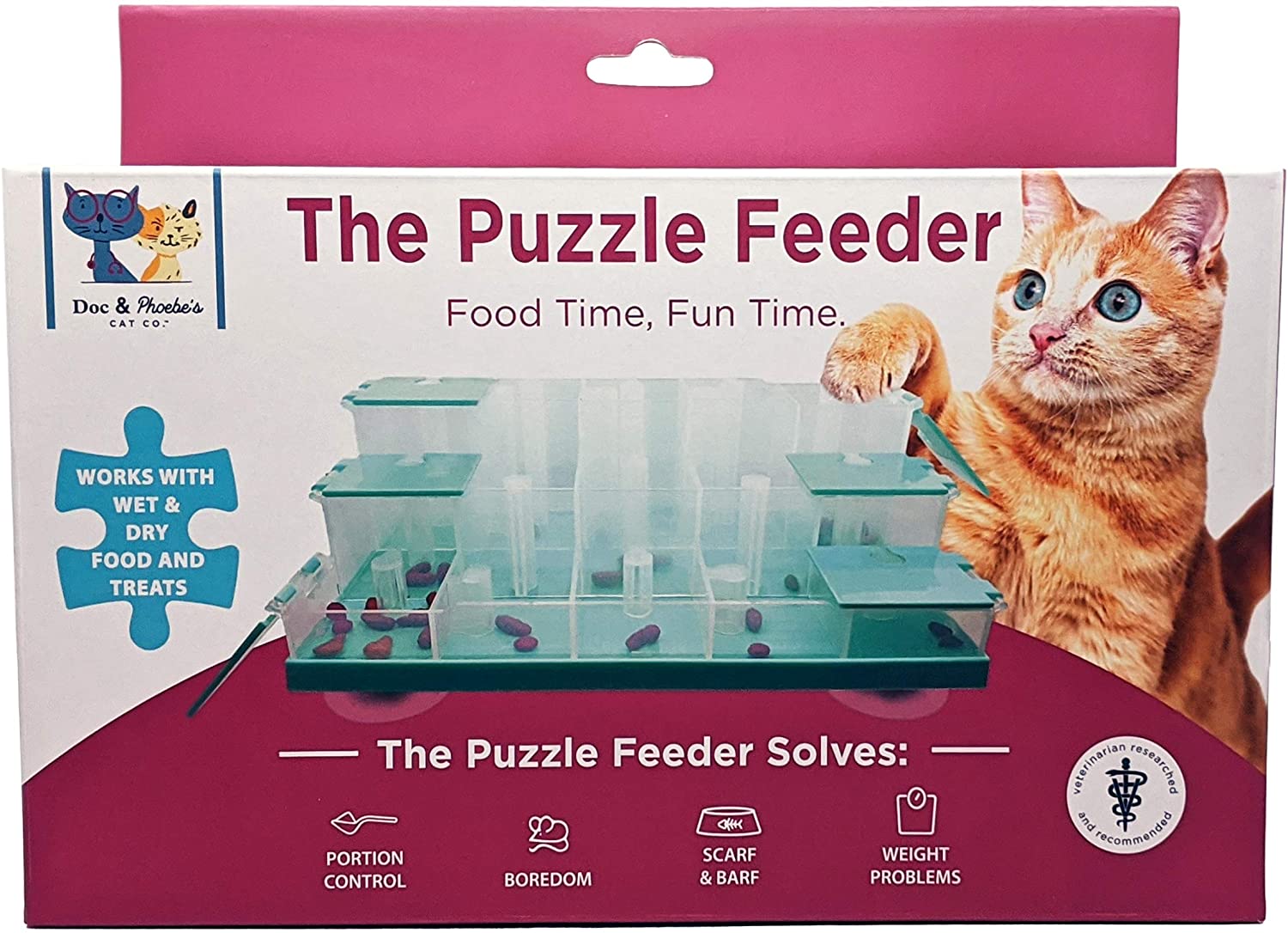
- Food-Dispensing Balls: They bat the ball around to get kibble to fall out, combining play with mealtime.
- Cardboard “Fort” Mazes: Use old boxes to create a changing maze with holes to peek through and treats hidden in corners.
- Clicker Training for Tricks: Yes, cats can be clicker trained! It’s fantastic mental work. Target training, high-fives, spins—they love the challenge and the one-on-one attention.
Advanced Enrichment: Thinking Outside the Box
Once you’ve mastered the basics, you can level up. This is for the truly obsessive pet owners—and I mean that in the best way. It involves more complex problem-solving concepts.
| Concept | How It Works | Species Example |
| Tool Use & Creation | Providing materials the animal must combine or modify to get a reward. | Giving a crow a straight wire it must bend into a hook to lift a bucket of food from a tube. |
| Multi-Step Puzzles | A sequence of actions must be completed in order. Step A unlocks access to Step B. | A dog must pull a rope to remove a pin, then slide a door to reveal a treat drawer. |
| Delayed Gratification | Teaching “wait” or “leave it” with increasing difficulty and duration before reward. | A parrot must wait for a verbal cue before lifting a covered cup to get a nut. |
| Social Learning Tasks | One animal watches another solve a puzzle, then attempts it themselves. | Introducing a new puzzle to a multi-dog household; the second dog often learns faster. |
The key with advanced games? You have to be willing to let them fail, and to break the puzzle down into tiny, teachable steps. It’s a project. But the payoff—watching that moment of understanding click—is incredible.
Avoiding Common Pitfalls in Cognitive Enrichment
It’s easy to get excited and, well, overdo it. Here are a few things to watch for.
- Frustration, Not Fun: If your pet gives up, walks away, or shows signs of stress (whale eye in dogs, hissing in cats, feather tightness in birds), the puzzle is too hard. Make it easier immediately.
- The Same Old Thing: Rotate puzzles! A puzzle left out becomes furniture. Keep a rotation of 3-4 and swap them weekly to maintain novelty.
- Ignoring Natural Instincts: Don’t force a nocturnal animal to play at noon. Work with their natural rhythms, not against them.
- Forgetting the Reward: The reward must be worth the effort. Use high-value treats for new or difficult puzzles.
Honestly, the biggest mistake is not starting at all because you think it has to be perfect. A cardboard box with some crumpled paper and a few treats is a fantastic start.
The Ripple Effect of a Challenged Mind
So, what happens when you commit to this? You’ll likely see a change. A dog that used to bark at the mailman might instead bring you a puzzle toy. A parrot that plucked might spend its time meticulously unwrapping foraging bundles. The energy gets channeled.
But it goes deeper than just behavior modification. You’re acknowledging their intelligence. You’re saying, “I see you, I know you’re in there, and I respect your need to think.” You’re not just a keeper; you’re a curator of their well-being, a facilitator of their innate brilliance.
That relationship—built on mutual respect and mental engagement—is perhaps the richest reward of all. It turns ownership into a partnership. And that’s a beautiful thing to build, one puzzle at a time.