

Let’s be honest. Your trading journal is probably a mess. It’s a digital attic, crammed with spreadsheets, screenshots, and half-remembered justifications for that one terrible options play. You know you should analyze it, but where do you even start? The data feels overwhelming, maybe even a little… accusatory.
Here’s the deal: that historical data isn’t a verdict. It’s a blueprint. Auditing it isn’t about flagellation; it’s about forensic reconstruction. You’re the detective, and your past trades are the crime scene. The goal? To find the patterns—both the brilliant and the boneheaded—so you can systematically optimize for the future.
This framework is your step-by-step guide. It’s not about complex math, but about asking the right questions in the right order.
Phase 1: The Raw Data Excavation (Gathering the Pieces)
First, you need all the pieces on the table. This is the unsexy, administrative part. But it’s crucial. Inconsistent data leads to useless insights.
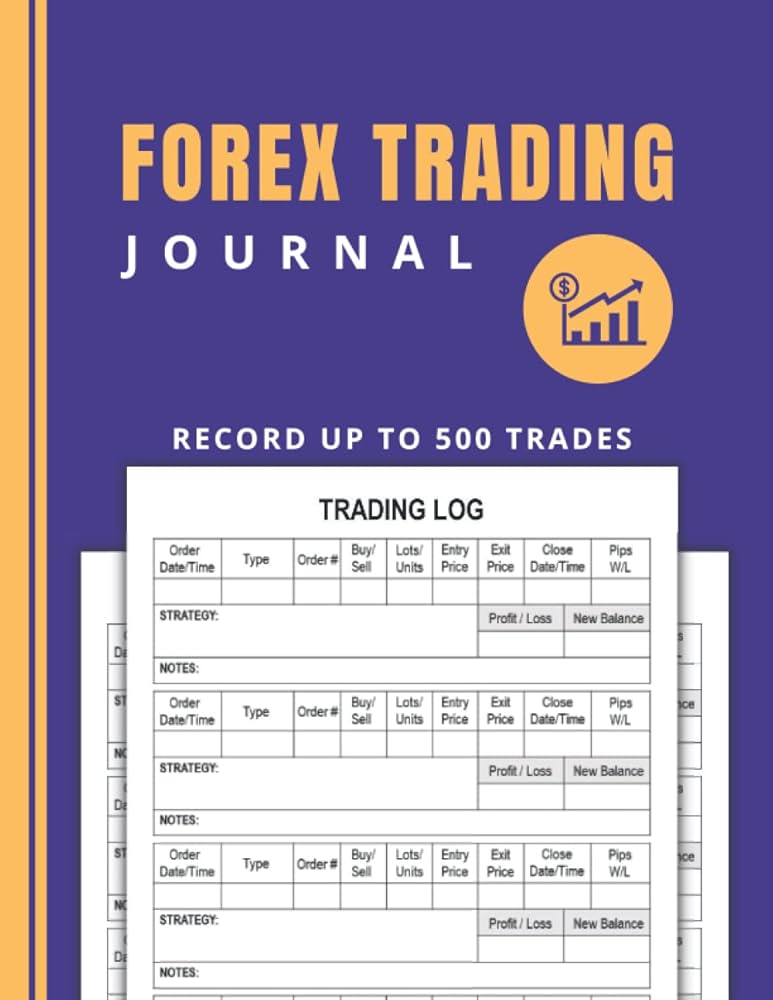
What to Collect for Every Single Trade
- Instrument & Direction: Stock, future, forex pair? Long or short?
- Entry & Exit Details: Date, time, price, and slippage. Yes, track the slippage.
- Position Sizing: What percentage of your capital was at risk?
- The “Why”: Your pre-trade thesis. Was it a technical breakout, an earnings play, a news catalyst? Be specific.
- The “What Happened”: Post-trade notes. Did the thesis hold? Was exit planned or panicked?
- Emotional State: A simple note like “confident,” “rushed,” or “fearful” can be revealing later.
Pro tip: Don’t rely on broker statements alone. They tell you the “what,” not the “why.” Sync them with your personal journal. This is the foundation of any trading performance audit.
Phase 2: The Diagnostic Deep Dive (Asking the Hard Questions)
Now, with data in hand, we move to diagnosis. Think of this as running your trading engine through a scanner. We’re looking for the check engine lights.
Key Performance Indicators (KPIs) to Calculate
| KPI | What It Tells You | The Pain Point It Reveals |
| Win Rate % | How often you’re right. | Over-trading? Poor entry timing? |
| Profit Factor (Gross Win / Gross Loss) | The power of your winners vs. losers. | Letting losers run? Cutting winners too soon? |
| Average Win vs. Average Loss | The risk/reward reality. | Are you actually following your planned R:R? |
| Largest Drawdown | Your worst peak-to-valley capital drop. | Risk management failures. Emotional tailspins. |
| Expectancy (Avg. Win * Win Rate) – (Avg. Loss * Loss Rate) | The $ value expected per trade. | The ultimate bottom-line viability of your system. |
But here’s where most traders stop. And it’s a mistake. The real gold is in segmented analysis. You must slice your data:
- Performance by time of day. Are you a better trader at 10 AM or 2 PM?
- Performance by market condition (trending vs. ranging). Does your strategy only work in one?
- Performance by instrument type. You might be great with tech stocks but awful with commodities.
- Performance by trade thesis. How do your “breakout” plays fare vs. your “mean reversion” plays?
This segmentation often reveals brutal, hidden truths. Maybe your win rate is 60%, but in ranging markets, it plummets to 40%. That’s an optimization lever right there.
Phase 3: The Behavioral Audit (Your Biggest Enemy is in the Mirror)
Data tells a story, but the narrator—your psychology—is often unreliable. This phase connects the numerical dots to your mental state.
Look for clusters. Do your largest losses come after a string of wins? That’s overconfidence. Do a series of small, scratchy trades precede a giant, impulsive gamble? That’s frustration trading.
Honestly, this part is uncomfortable. You’ll see your greed and fear quantified. But identifying these behavioral patterns in trading is the single most powerful step toward optimization. It turns “I need to be more disciplined” into “I must implement a hard stop after three consecutive losses to prevent revenge trading.”
Phase 4: Strategic Optimization (Building a Better Machine)
Now we build. Using insights from Phases 2 and 3, you create targeted, actionable rules. This isn’t about a total overhaul; it’s about precise tweaks.
Turning Weaknesses into Rules
- If your data shows poor performance in the first hour… Then your new rule is “No live trades until 10:30 AM, observation only.”
- If your average loser is 2x your planned stop… Then you must use automated stop-loss orders, no exceptions.
- If your profit factor is weak on short trades… Then you reduce size or pause shorting for a month to study.
This is your historical data optimization in action. You’re creating a feedback loop where data informs rules, and rules govern behavior.
Phase 5: The Iterative Loop (This Never Really Ends)
A one-time audit is like cleaning your car once. It feels great, but it won’t stay clean. You need a maintenance schedule.
Schedule a monthly “mini-audit” to review recent trades against your new rules. Are you following them? Is the new data showing improvement? Do a full, deep-dive trading system analysis quarterly. Markets evolve; your system must, too.
The goal is to make this process habitual—less of a chore and more of a curious, ongoing conversation with your past self. You start to anticipate the audit, which in turn makes you more disciplined in real-time. You become both the trader and the coach.
In the end, optimizing your historical performance isn’t about finding a magic formula. It’s about embracing a simple, slightly tedious truth: clarity comes from consistent review, and edge comes from the courage to act on what you find. Your data has been talking all along. Maybe it’s time to listen.