

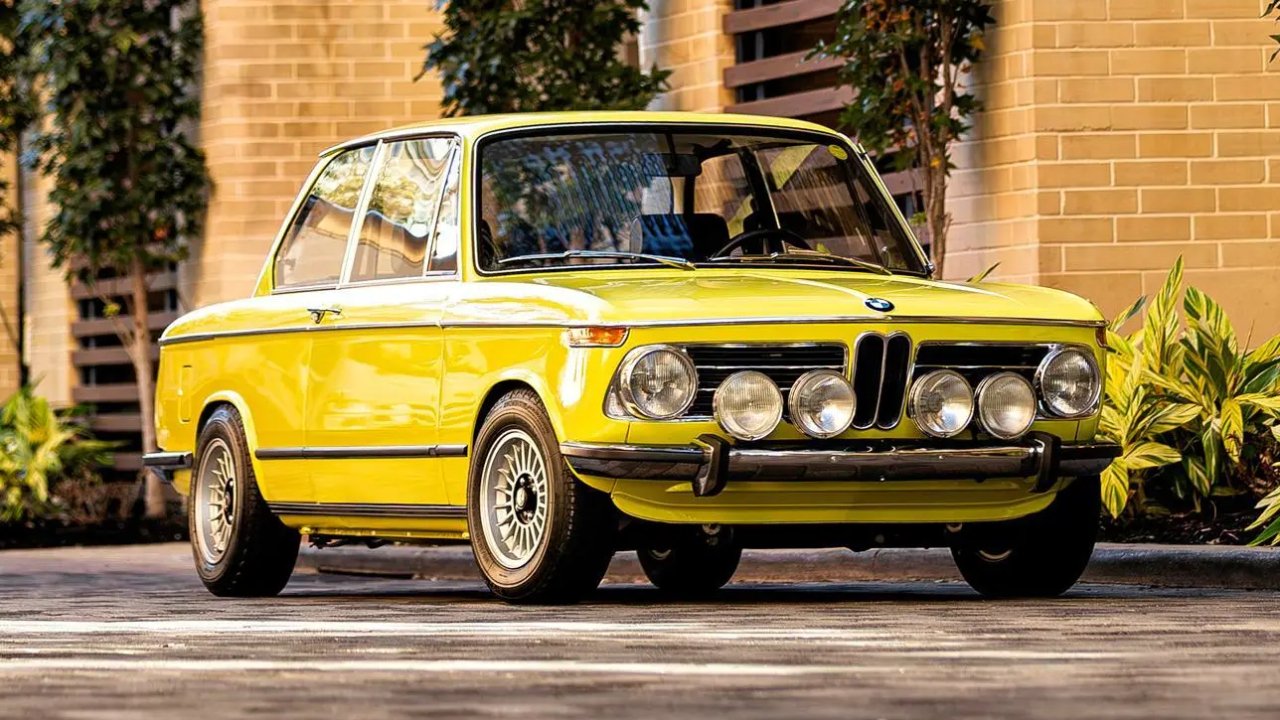
Let’s be honest. The soul of a classic car isn’t in its tailpipe. It’s in the silhouette against the sunset, the smell of the old leather, the way it turns heads on a Saturday morning. But that original engine? It can be… finicky. Expensive. And, well, a bit of a gas-guzzling relic.
That’s where the magic of an EV conversion comes in. It’s not about erasing history. It’s about writing a new chapter—one where your classic purrs with silent, instant torque and starts every single time. This guide is your roadmap. We’ll walk through the why, the what, and the how, without the overwhelming jargon.
Why Go Electric? The Heart of the Matter
Sure, purists might clutch their pearls. But think about it. You’re preserving the body, the interior, the very essence of the car, while giving it a 21st-century heart. The benefits are, frankly, compelling.
You get reliable, zero-emission driving without the constant tinkering. Imagine seamless acceleration with no gear hunting. Then there’s the cost of ownership—charging is cheaper than premium fuel, and there are far fewer moving parts to maintain. It’s a practical love letter to automotive design.
The Emotional & Practical Payoff
Beyond the specs, there’s a feeling. It’s the joy of driving a classic without the anxiety of a vintage cooling system in summer traffic. It’s using your car more. Honestly, it’s about future-proofing a piece of art so it can be enjoyed for another fifty years.
First Steps: Choosing the Right Candidate Car
Not every classic is a perfect candidate. The best conversions often start with the right donor vehicle. Here’s what to look for.
- Simple & Lightweight: Cars from the 60s and 70s are prime targets. Think MGB, Volkswagen Beetle, Porsche 911 (early), or Ford Mustang. They have straightforward chassis and, crucially, space in the engine bay and trunk for batteries.
- Solid Body: Rust repair is expensive. It’s far better to start with a pristine or solid body than a perfect engine. The powertrain is being replaced anyway, remember?
- Availability of Kits: Some models, like the classic Mini or the Jaguar E-Type, now have partial or complete EV conversion kits available. This can massively simplify your project.
A quick note: Heavier luxury barges can be converted, but they’ll need more battery power to move efficiently, which increases cost and complexity. Starting simple is the smart play.
The Core Components: What Actually Goes In
Diving into a conversion means getting familiar with a new set of parts. It’s simpler than an internal combustion engine, really. Here’s the electric heartbeat.
| Component | What It Does | Key Consideration |
| Electric Motor | Provides propulsion power. Often an AC motor for efficiency and regen braking. | Power (kW) and torque (Nm). Match it to the car’s weight and desired performance. |
| Battery Pack | The fuel tank. A collection of lithium-ion cells storing energy. | Capacity (kWh) dictates range. Voltage (V) must match motor. Packaging is critical. |
| Controller/Inverter | The brain. Converts battery DC to motor AC and controls speed/power. | Must be compatible with motor voltage and current ratings. |
| Charger & DC-DC Converter | Charger refills from the grid. DC-DC powers 12V systems (lights, radio). | Charger speed (Level 1/2). Integrated units save space. |
| Adaptor Plate & Coupling | Connects the new electric motor to the existing transmission (if retained). | Custom machining is often required for a perfect fit. |
Most people, by the way, choose to keep the original transmission. It lets you keep the classic shifting experience and helps with final drive ratios. That said, many kits now offer a single-speed direct-drive option for ultimate simplicity.
The Battery Placement Puzzle
This is where engineering meets art. You need to place heavy battery packs low and centered for good handling. Common spots? The engine bay (where the old engine was), the transmission tunnel, and in a custom box where the fuel tank sat. The goal is a near 50/50 weight distribution.
The Process: What a Conversion Actually Looks Like
Okay, you’ve got your car and a pile of shiny new parts. Now what? Here’s a typical sequence.
- Decommissioning: Carefully remove the ICE engine, fuel tank, exhaust, and associated systems. Document everything!
- Fabrication & Mock-up: This is the custom work. Building motor mounts, battery boxes, and figuring out where every new component will live. It’s a 3D puzzle with welding.
- Electrical Integration: The big one. Installing the high-voltage system alongside the car’s original 12V wiring. This includes safety disconnects, fuses, and the all-important battery management system (BMS).
- Testing & Tuning: Before the first drive, every system is checked and re-checked. Then, low-speed tests begin. Finally, controller software is tuned for throttle response and regen braking feel.
It’s a dance between old and new. You might be installing a cutting-edge thermal management system for the batteries right next to a perfectly restored, analog speedometer.
Real Talk: Costs, Time, and DIY vs. Pro
Let’s cut to the chase. A quality, turn-key professional conversion starts around $40,000 and goes way up from there, depending on the car and desired performance. A DIY approach can halve that, but—and it’s a big but—requires serious mechanical and high-voltage electrical skills.
Time? A skilled shop might take 3-6 months. A DIY project in a home garage could be a year or more of weekends. The biggest hidden cost? Those little custom brackets, wiring harnesses, and unexpected fabrication. Always budget for the unknowns.
Honestly, unless you’re a highly competent hobbyist, partnering with a specialist shop is the safest path. They’ve solved the problems you haven’t even thought of yet.
The Finish Line: A Classic Reborn
When it’s all done, something remarkable happens. The car feels familiar yet utterly new. The steering is lighter. The cabin is quieter, letting you hear the subtle creaks of the chassis you’ve come to love. The acceleration is, in a word, addictive.
You’ve not just saved a classic from obscurity. You’ve given it a new purpose. It’s no longer a weekend museum piece, but a daily testament to sustainable innovation. It’s a conversation starter that bridges generations—connecting the timeless beauty of the past with the hopeful, clean promise of the future.
And that, you know, is a pretty beautiful place to be.