

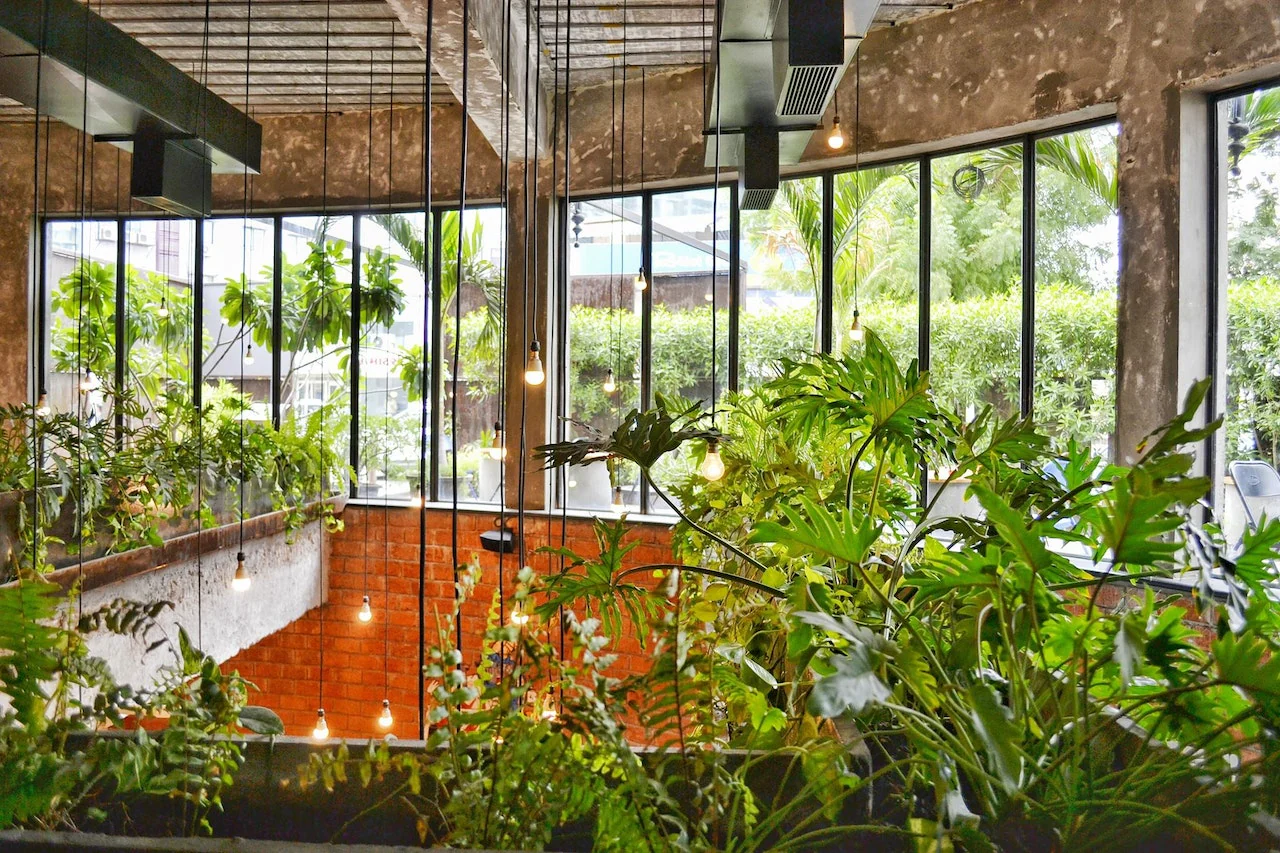
So you’ve got a few houseplants. Maybe a fiddle-leaf fig in the corner, a pothos trailing from a shelf. That’s a great start—honestly, it is. But what if I told you that true biophilic design at home goes way, way beyond just greenery?
Think of your home not as a static box, but as a living lab. A place where you can experiment with the core elements of nature to fundamentally shift how you feel. We’re talking about weaving water, air, and sound into the very fabric of your space. Let’s dive in.
Why Stop at Green? The Multi-Sensory Argument
Biophilia is our innate human connection to nature. Sure, plants are the most obvious hook. But nature isn’t silent, still, or scentless. It’s a symphony. The trickle of a stream, the whisper of moving air through leaves, the negative ions after a rainstorm.
When we ignore these layers, our biophilic design feels… flat. Incomplete. It’s like watching a breathtaking landscape on mute. You get the picture, but you miss the soul-stirring soundtrack and the feeling of the breeze on your skin.
The Water Element: More Than a Fountain on a Side Table
Water is life, literally. And in the home biophilic lab, it’s not just decor—it’s a tool for altering atmosphere. We’re moving past the tiny plug-in fountain (though, you know, those are okay for a start).
Think integrated. A shallow reflecting basin built into a patio. A wall-mounted waterfall feature that doubles as a room divider. Even a carefully placed aquarium, its gentle filtration providing a constant, soft hum.
The benefits here are tangible. Moving water humidifies dry, air-conditioned air. It generates those negative ions we crave, which are linked to improved mood and alertness. And the sound? It’s the ultimate auditory mask, drowning out the jarring noises of traffic, appliances, and neighborly… life.
Crafting the Airscape: It’s Not Just About Purifiers
Air is our most constant interface with the environment. In the lab, we move from mere purification to curation. This means paying attention to scent, movement, and quality—all at once.
- Scent Scaping: Ditch synthetic plug-ins. Introduce aromas through living things. A pot of rosemary by a sunny window you brush past. A bowl of pine cones in winter. A humidifier with a drop of real cedarwood oil.
- Air Flow & Movement: Stagnant air feels dead. We need to mimic the gentle, unpredictable breezes found outdoors. Strategic cross-ventilation is key. So are ceiling fans on a low, variable setting—not the industrial whirlwind, but a soft, stirring motion.
- Pure + Active: Pair a good HEPA filter (for the particulates) with a cluster of air-purifying plants like snake plants or peace lilies (for the VOCs). They work as a team.
Designing Your Auditory Habitat: The Soundscape Layer
This might be the most overlooked piece. Our modern sonic environment is a chaotic mess of digital pings and low-frequency rumbles. A true biophilic soundscape isn’t about adding more noise—it’s about strategic replacement.
You want sounds that are non-rhythmic, non-linear, and gently unpredictable. Just like nature.
| Sound Source | Biophilic Effect | Simple Integration Tip |
| Water Feature | Masks harsh noise, promotes relaxation. | Place in a central area where sound can diffuse, like a hallway or living room edge. |
| Wind Chimes (wood/bamboo) | Provides gentle, irregular auditory cues tied to real weather. | Hang near a frequently opened window or balcony door. |
| Native Bird Feeders | Brings authentic, lively biological sound. | Place within earshot of your home office or morning coffee spot. |
| Acoustic Materials | Reduces echo & harshness, creating a “softer” sonic bed. | Add thick rugs, fabric wall hangings, or upholstered furniture. |
The Integration Playbook: Making Your Lab Cohesive
Okay, so you have ideas for water, air, and sound. The magic—and the challenge—is weaving them together so they don’t feel like separate gadgets. They need to talk to each other.
Start with a zone, not the whole house. Your reading nook. Your bedroom. The home office. Pick one.
Now, think like an ecosystem designer. Can your water feature provide humidity for a cluster of ferns? (Water + Plants). Can the breeze from your window rustle those ferns and gently sway your bamboo wind chime? (Air + Sound + Plants). Suddenly, you’ve created a feedback loop of natural stimuli. That’s integration.
Avoid the trap of perfection. This is a lab, remember? Some experiments will flop. Maybe that tabletop fountain’s pump is too loud. Perhaps that essential oil is too strong. Tweak. Adjust. Listen to your own senses—they’re the most important instruments in the lab.
The Invisible Benefit: A Shift in Mindset
Here’s the real payoff no one talks about. When you start tuning your home to water, air, and sound, you change. You become more attuned to the natural world outside. You notice the quality of the breeze, the sound of real rain, the scent of damp earth.
Your home stops being a shelter from nature and becomes a conduit to it. It’s a subtle, profound shift. You’re not just decorating a room; you’re recalibrating your nervous system.
So, the invitation is this: look past the pot. Listen for the silence you need to fill. Feel the air. And start experimenting. Your biophilic lab awaits—and it’s got way more than just test tubes. It has the very elements that make us feel, quietly but undeniably, alive.