

Let’s be honest—the phrase “environmental toxins” sounds intimidating. It conjures images of industrial smokestacks and chemical spills, problems too big for one person to tackle. But here’s the deal: a significant portion of our exposure happens quietly, inside our own homes. The good news? You have more control than you think.
Reducing environmental toxins isn’t about achieving a state of impossible purity. It’s about making smarter, more informed swaps in your daily routine. Think of it like tidying up your internal environment, one small, manageable step at a time. Let’s dive into where to start.
Rethinking the Air You Breathe Indoors
We spend up to 90% of our time indoors, and indoor air can be 2 to 5 times more polluted than outdoor air. Crazy, right? The culprits are often volatile organic compounds (VOCs)—gases emitted from common household products.
Simple Swaps for Cleaner Air
First, ventilation is your best friend. Open those windows for just 10-15 minutes a day, even in winter. It flushes out stagnant, toxin-laden air. Next, take a look at what you’re bringing in:
- Aerosol Sprays: Air fresheners, hairsprays, and cleaning sprays often contain VOCs and phthalates. Opt for pump sprays, solid deodorants, or essential oil diffusers (used sparingly).
- “Fragrance”: This catch-all term on labels can mask dozens of chemicals. Choose products labeled “fragrance-free” or those scented with essential oils.
- Candles: Many paraffin wax candles release soot and benzene. Switch to beeswax or soy candles with cotton wicks. Honestly, the natural ones smell richer anyway.
And don’t forget the power of houseplants. While they won’t single-handedly purify your air, plants like snake plants, spider plants, and peace lilies are great at absorbing certain pollutants. They’re like a living, breathing air filter.
The Kitchen: Beyond Just Organic Food
Sure, buying organic produce is a fantastic way to reduce pesticide exposure. But your kitware and food storage matter just as much.
Non-stick cookware, when scratched or overheated, can release perfluorinated chemicals (PFCs). It’s a slow leak you don’t want in your dinner. Cast iron, stainless steel, ceramic, or well-seasoned carbon steel are durable, non-toxic alternatives. They might need a bit more elbow grease, but they last forever.
Then there’s plastic. Heating food in plastic containers or using worn-out plastic wrap can lead to chemical leaching—especially BPA and its cousins. It’s a direct route from container to your meal.
| Swap This… | For This… |
| Plastic food storage | Glass or stainless steel containers |
| Plastic wrap | Beeswax wraps or silicone lids |
| Non-stick pans | Cast iron, ceramic, or stainless steel |
| Plastic water bottles | Stainless steel or glass bottles |
The Cleaning Cabinet Makeover
This is a big one. We use harsh chemicals to “clean” our homes, but in the process, we can leave behind a residue that’s, well, not so clean for our bodies. The strong “clean” smell? That’s often a sign of VOCs at work.
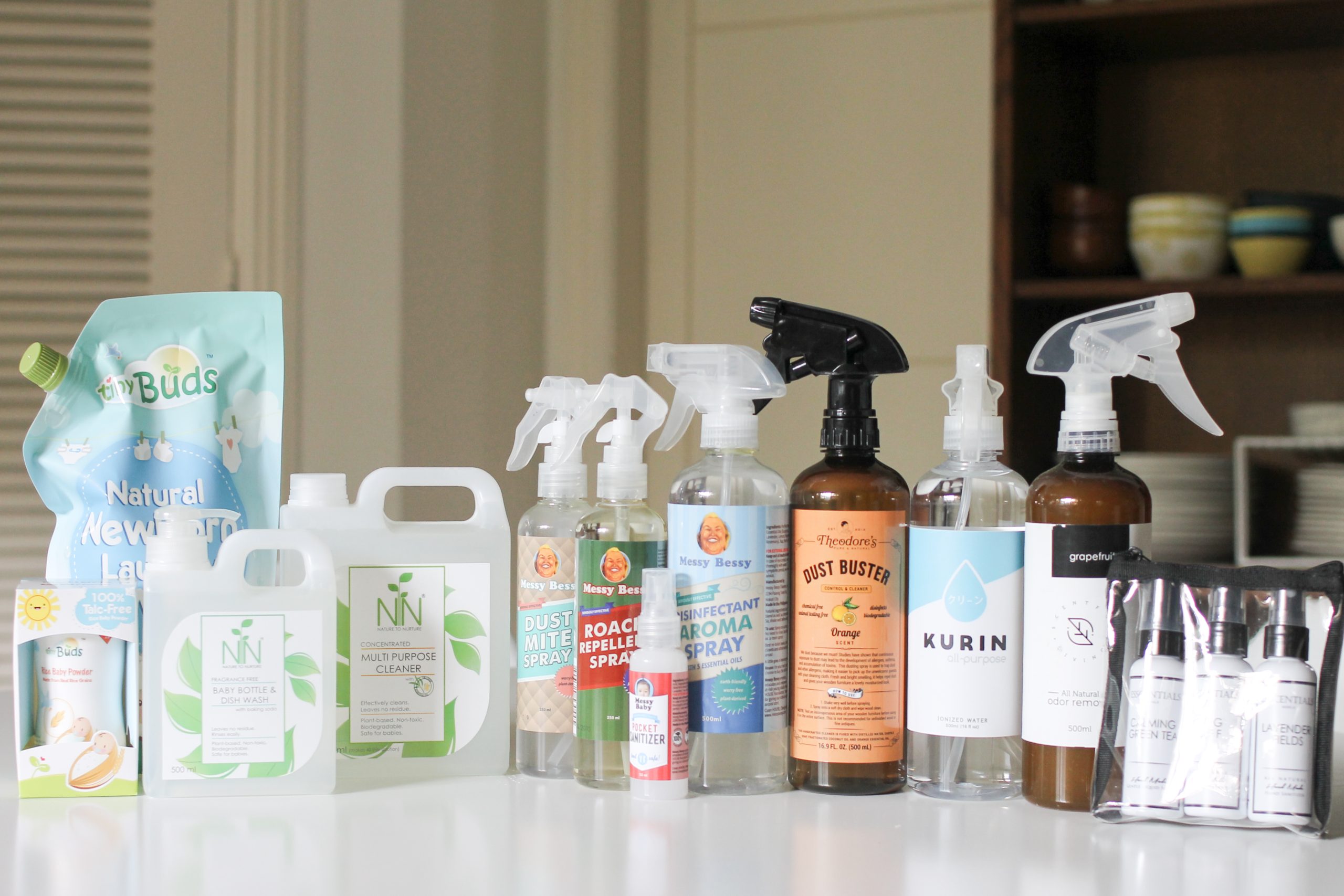
You know what’s incredibly effective and costs pennies? Basic ingredients. White vinegar, baking soda, castile soap, and lemon juice can handle probably 80% of household cleaning tasks. Here’s a quick starter recipe for an all-purpose cleaner:
- 1 part white vinegar
- 1 part water
- A few drops of essential oil (like lemon or tea tree) for scent, if desired
Spray, wipe, and you’re done. No gloves needed, no lung-burning fumes. For commercial products, look for certifications like EPA Safer Choice or those from credible third parties like EWG. They’ve done the ingredient detective work for you.
Personal Care: What You Put On Your Body
Your skin is your largest organ, and it absorbs a lot. The average person uses about a dozen personal care products daily, each with a cocktail of ingredients. It adds up.
The strategy here isn’t to throw everything out at once. That’s overwhelming. Try the “one-in, one-out” rule. When your current shampoo runs out, look for a cleaner replacement. Focus on products that stay on your skin longest, like lotion.
Key ingredients to be wary of? Parabens, phthalates (often hidden under “fragrance”), and formaldehyde-releasing preservatives. Use apps or databases to scan products—it takes seconds and turns you into an informed consumer.
Mindful Consumption: The Bigger Picture
Reducing toxins isn’t just about what you buy; it’s also about what you don’t bring home. Fast fashion, for instance, often uses synthetic fabrics treated with chemical dyes and finishes. These can off-gas and are a major source of microplastic pollution when washed.
Choosing natural fibers like organic cotton, linen, or wool is a healthier choice for your home environment. And when it comes to furniture or home renovation, opting for solid wood over pressed-wood products (which can contain formaldehyde) makes a huge difference for indoor air quality long-term.
It feels like a lot, I know. But the goal is progress, not perfection. Start with one room, one habit. Maybe this week you open the windows more. Next month, you swap out that old plastic container for a glass one.
Each small choice is a vote for a less toxic world—inside your home and out. It’s a quiet, personal form of activism that adds up. In the end, it’s not about building a sterile bubble, but about creating a home that truly nurtures, from the air in your lungs to the plate on your table.