

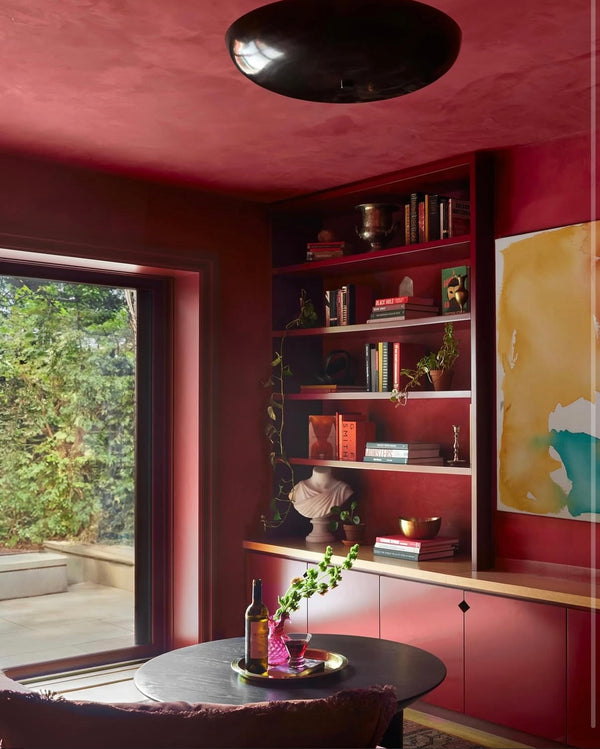
There’s a certain magic in an old home, isn’t there? The creak of a wide-plank floor, the wavy glass in a window pane, the hand-tooled detail on a mantel. These aren’t just features; they’re stories. And in our rush toward sleek, off-the-shelf modernity, we risk losing the narrative—and the unparalleled quality—of traditional craftsmanship.
But here’s the deal: you don’t have to live in a museum to appreciate these skills. Honestly, blending heritage home skills with contemporary living creates spaces with soul, sustainability, and serious character. Let’s dive into the crafts and preservation techniques that can anchor your modern dwelling in something timeless.
Why Bother? The Heart of Heritage Preservation
Sure, it’s often slower and more involved than a trip to a big-box store. But the payoff is multifaceted. We’re talking about sustainability in its truest form. Repairing rather than replacing reduces waste dramatically. That 100-year-old heart pine floor? It’s more durable than anything you can buy new. And then there’s the intangible value—the connection to history and the sheer beauty of human-scale, imperfect work.
It’s a antidote, really, to the disposable culture that dominates home improvement. A well-executed lime mortar repair or a hand-stitched upholstery job is an investment that pays dividends in longevity and aesthetic depth.
Core Traditional Crafts for Today’s Homeowner
1. Lime Plaster & Mortar Repairs
Modern cement is rigid and unforgiving. Old brick and stone walls, on the other hand, need to breathe. That’s where traditional lime-based mixes come in. They’re flexible, permeable, and actually work with historic materials, preventing the cracking and spalling that cement causes. Learning to mix and apply a simple lime putty for repointing a garden wall or repairing an interior plaster patch is a foundational heritage home skill.
2. Wood Window Restoration
The knee-jerk reaction is to rip out drafty old windows for vinyl. Big mistake. A properly restored wooden window—with its old-growth timber, repaired sash cords, and fresh glazing putty—can last another century. Vinyl units? Maybe twenty-five years. The process involves careful disassembly, repairing rather than replacing parts, and using traditional materials like linseed oil-based paints. It’s a puzzle of patience that rewards you with superior insulation (yes, really!) and preserved authenticity.
3. Decorative Finishes: Graining & Stenciling
Our ancestors were masters of illusion and artistry. Graining (faux bois) and marbling used paint to mimic expensive woods and stone. Stenciling added decorative borders to walls and floors. These techniques are perfect for adding a layer of historical charm to a modern space—think a stenciled accent wall in a hallway or a grained door that looks like oak but is actually pine. It’s personalized, it’s creative, and it’s a direct link to the past.
Practical Preservation: Techniques You Can Apply Now
You don’t need to be a master craftsperson to start. It’s about mindset and some hands-on learning. Here are some actionable approaches.
- Embrace “Conservation Over Replacement”: Before you demolish, ask: “Can this be stabilized, repaired, or cleaned?” Often, the answer is yes.
- Source Authentic Materials: Seek out salvage yards for period-appropriate hardware, doors, and tiles. For new materials, find suppliers specializing in traditional products—like lime mortar or wide-width flooring.
- Learn the Gentle Clean: Avoid harsh chemicals and sandblasting. For wood, a simple scrub with mild soap and water. For stone, perhaps a poultice. The goal is to preserve the patina, not strip it to like-new sterility.
| Common Issue | Modern Quick Fix | Traditional Preservation Approach |
| Drafty Wood Window | Full vinyl replacement | Repair sash cords, apply new weatherstripping, re-glaze with linseed putty |
| Cracked Plaster Wall | Rip out, install drywall | Stabilize with washers, fill with compatible lime plaster, skim coat |
| Worn Brick Mortar | Repoint with hard cement mortar | Carefully rake out old mortar, repoint with a soft, breathable lime mix |
| Stained Wood Floor | Sand down to bare wood, apply polyurethane | Clean, light sand if needed, refinish with natural oils or wax |
Blending Old and New: The Real Magic
This isn’t about creating a period-accurate diorama. The most compelling homes live in the tension between old and new. Imagine a kitchen with restored original cabinetry paired with a sleek stone countertop. Or a room where exposed, repointed brick walls meet minimalist furniture.
The key is to let the heritage elements shine as the anchors. Use them as your palette’s foundation. Then, layer in modern comforts and design. That juxtaposition—the hand-hewn beam against a contemporary light fixture—that’s where the wow factor lives. It tells a story of continuity, of a home that’s been cared for and evolved, rather than being erased and restarted every few decades.
Getting Started Without Getting Overwhelmed
Feeling inspired but unsure where to begin? Start small. Pick one manageable project. Maybe it’s stripping layers of paint from a single piece of original trim to reveal the wood underneath. Or repointing a small section of garden path with lime mortar. Attend a workshop from a historic preservation society—they’re more common than you think.
And remember, perfection isn’t the goal. In fact, a slight tool mark or the gentle undulation of a hand-planed surface is what gives these elements their warmth. It’s proof of the human hand, a quality that’s become incredibly rare—and valuable—in our machine-made world.
In the end, engaging with these heritage home skills is more than a DIY trend. It’s a form of stewardship. It’s choosing depth over convenience, resilience over disposability. It’s about creating a modern dwelling that doesn’t just house you, but grounds you—connecting the story of its past to the life you’re building now. And that, you know, is a legacy worth crafting.