

Let’s be honest. We live in a world of pure, shimmering digital light. Our work, our entertainment, even our social lives are mediated through glowing rectangles. It’s efficient, it’s vast, and sometimes, it’s just… a lot. A bit weightless.
And yet, here’s the deal: a curious counter-trend is gaining serious momentum. People are buying vinyl records in numbers not seen since the 1980s. Sales of paper notebooks and fancy pens are booming. Film cameras are cool again. It feels like a quiet rebellion, a collective yearning for something more… substantial.
Why Now? The Digital Fatigue Factor
This isn’t just nostalgia, though that’s part of it. It’s a direct response to the very real pain points of our digital existence. Call it digital fatigue, screen saturation, or just a craving for texture. The reasons are deeply human.
First, there’s the cognitive load. Infinite scrolling, constant notifications, the pressure to be “on”—it’s mentally exhausting. Analog tools, by their nature, are finite. A notebook has a last page. A record has a B-side. They create natural boundaries that our brains find comforting.
Then there’s the tactile feedback. The click of a mechanical keyboard, the grain of paper under a fountain pen, the satisfying *thunk* of a cassette deck—these are sensory experiences. They ground us in the physical world. You know, the one we actually live in.
The Analog Arsenal: Where Tactile Tech is Thriving
This resurgence isn’t a monolith. It’s popping up in fascinating pockets across culture and technology. Let’s look at a few key areas.
1. The Return of Retro Audio
Vinyl is the poster child. But it’s more than a collectible. The ritual is the thing: sliding the record out, placing the needle, sitting down to actually listen. It’s intentional. It turns music from background noise into an event. And it’s not alone—cassette tapes are having a niche moment, and high-end turntables are serious business.
2. The Paper Persistence
From bullet journals to high-end planners, analog productivity is huge. Writing by hand engages different neural pathways than typing; studies suggest it boosts memory and comprehension. For many, a paper to-do list feels more “real” and accountable than a digital one that can be swiped away.
3. The Craft of Mechanical Interfaces
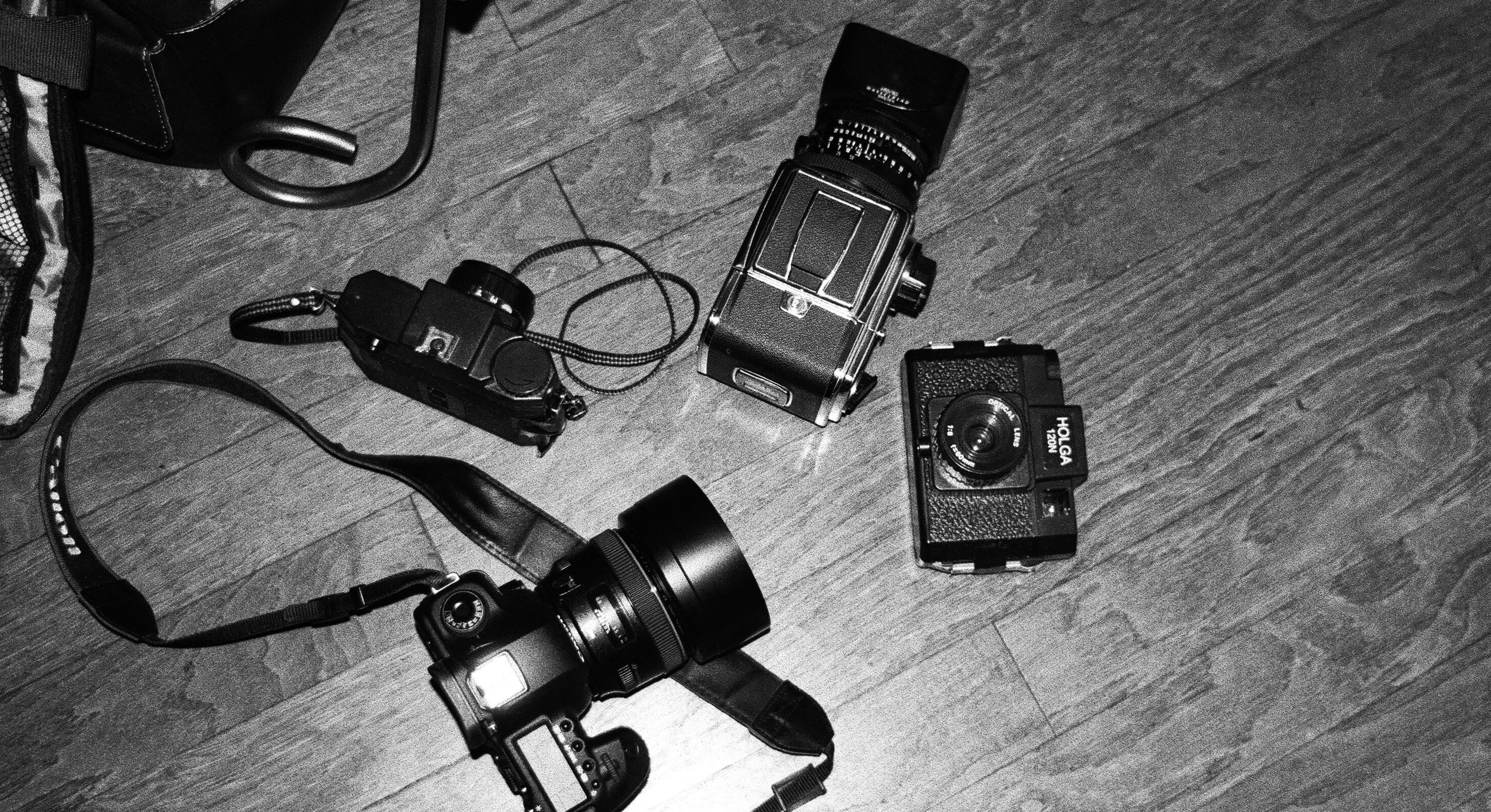
Look at the enthusiast markets for mechanical keyboards, analog synthesizers, or even manual film cameras. These aren’t just tools; they’re instruments. The user’s physical interaction—the resistance of a key switch, the turn of a lens ring—is part of the creative process. It’s slow tech. And that’s the point.
Digital x Analog: The Hybrid Future
Here’s where it gets really interesting. The smartest new products aren’t rejecting digital tech—they’re marrying it with analog principles. This is the true sweet spot.
Think of the reMarkable tablet, which feels like paper but syncs to the cloud. Or modular synthesizers controlled by digital brains. Even smart notebooks like Moleskine’s Pen+ let you write on paper and digitize notes instantly. These hybrids offer the best of both: the focused, tactile joy of analog, with the convenience and power of digital backup and sharing.
| Analog Element | Digital Hybrid Solution | User Benefit |
| Pen & Paper Writing | Smart Notebooks & Digital Pens | Tactile creativity + Cloud organization |
| Manual Photography | Mirrorless Cameras with Physical Dials | Creative control + Instant review/sharing |
| Turntable Listening | Records with Download Codes | Ritual & sound quality + Portable access |
The Deeper Appeal: What We’re Really Looking For
So, what’s the core of this movement? It boils down to a few human needs digital abstraction often misses.
- A Sense of Ownership: When you buy a vinyl album, you own a physical artifact. You’re not renting access from a streaming service that can change terms or remove content. It’s yours.
- Mindful Engagement: Analog tools demand your attention. You can’t mindlessly flip through a book like you scroll a feed. They encourage a slower, more present state of mind.
- Tangible Progress: Seeing pages fill in a notebook, or a stack of developed photos—it provides a visual, satisfying measure of progress that a progress bar on a screen just can’t match.
- Imperfection & Character: The warm crackle of vinyl, the light leak on a film photo, the slight bleed of ink on paper. These “flaws” add character and uniqueness. They make the experience human, in a world of sterile, pixel-perfect digital replication.
That said, this isn’t about throwing your phone in the river. It’s about curation. It’s about choosing the right tool for the right job—and the right state of mind. Sometimes, speed and efficiency win. Other times, depth and sensation matter more.
A More Balanced Tech Life
The resurgence of analog and tactile tech is a healthy correction. It’s a reminder that we are physical beings in a physical world. Our senses matter. Our attention is a finite resource to be protected.
In the end, this movement asks a simple, profound question: In our quest to digitize everything, what essential human experiences might we be optimizing away? The answer, it seems, is being written by hand, played on vinyl, and captured on film. Not as a replacement, but as a necessary, grounding complement to the digital whirlwind. It’s about finding the signal in the noise—and sometimes, the signal is a scratchy, beautiful, wonderfully imperfect sound.